

So you have decided to swim, bike, run!
Too many questions...
How much do I train? Where can I train? When can I race?
Welcome to the sport of Triathlon. You are obviously serious about being the best you can be – otherwise you wouldn’t be here. I suppose the one thing that we must highlight right from the start is that everyone is an individual and that nothing is “set in stone” when it comes to training. What may work well for you, more often than may not work for someone else.
The aim of this article is to get you on the right track as far as being able to plan your year for a total approach to triple sport training.

To progress from year to year one must increase training volumes and intensities over time otherwise you won’t improve. Consistency is the key to whatever we do. Knowing when to push and when to back of at the right time is not something that you can learn straight away.
It takes time to learn about what your body can and can’t do, and sometimes learning the hard way is the best way to learn a lesson.
The human body is a unique piece of work and the body can adapt to most stresses placed upon it as long as it is done progressively. The problem with most of us is that we usually don’t want to wait to get the results.
You can’t make it happen overnight, and by having a plan to start with makes the big picture so much easier to follow. Even though the majority of you have ‘only’, 8 to 12 hours per week to train, doesn’t mean that you can’t progress – you just need to have the right combination of training, rest and focus more on what may have been once neglected areas within your own program. Which ultimately in the end, has to come down to you. There is so much information available these days regarding training, racing and how to be a better athlete that it’s easy to become confused and frustrated. This website will allow you some insight and look at some of the strategies and methods you will need to employ into your program if you want to tap into your potential. Putting down some of my thoughts and views from my own experience as a triathlete and coach of over 25 years as well including some training articles from various experts effectively cuts a path the through some of the information out there.
The principles that I focus on work equally well for the beginners and the elite athlete. There are in fact many pro athletes that could do with an overhaul of their own training program! Many people I know decide their training plan only 5 minutes before they walk out the door. Each person has different goals and each person also only has “x” amount of time to allocate to their training each week. As a former athlete and now coach, I want to make it as simple as possible for you to reach your objectives. But don’t think it’s all going to be all plain sailing, nothing that’s worth while ever is.
You must be honest with yourself when it comes time to plan your training and race schedule for the upcoming season. There is no point in plotting your training program for 15 hours per week training when you can only realistically train for 8 hours due to work, family and a busy lifestyle.
More often than not you may feel as though you have plateaued in your training and racing – “if only I had more time to train”. The reality is that we can’t get more time. But this doesn’t mean that we can’t improve our performance level. Each and every session that we do must have a purpose.
Some sessions are long; some are short, some fast, some slow. By dividing your training year and season into stages i.e., Base, Intensity, Peak, Racing and Rest or active recovery, you accomplish a number of different benefits over training in an “ad-hoc” no direction kind of fashion.
But before you start there are some prerequisites that I feel can be of a great help and make it much easier to track progress and save your time.
These are:
- Keep a log book/training diary. Log your daily weight, resting heart rate, training heart rate, content of session, how you felt and any other relevant information you feel important.
- Build up a support network of good sports medicine people – physio, massage therapist, sports doctor, nutritionist, bike shop, etc.
- “Shop around” until you find a network that you’re happy with and one that you feel comfortable working together with.
- Purchase a Heart Rate Monitor and learn how to get the most out of it.
- Test yourself in regular (at least once a month) time trials in all disciplines during your build phase leading up to the season
- Find your true maximum heart rate by (a) preferably getting a lab test on a treadmill/cycle ergo or (b) do regular field tests (at least 2-3 per year) to monitor your maximum heart rate and anaerobic threshold.
- Increase training volumes gradually – use the 10% rule. Do not increase training volumes by more than 10% per week. Experienced athletes may be confident in increasing volumes by up to 15% during periods of lesser volume.
All your diligent training and hard earned money spent on equipment should be rewarded with results and most of all enjoyment of the sport. Utilising the services of a coach at Multisport Consultants, especially in the infancy of your triathlon or Ironman ‘career’ will ensure you set off on the right path and get the best results out of your body and the sport.
So what now? To find out about Multisport Consultants training programs available online click here, or if you feel you may require a more personalised training program, contact Multisport Consultants for more details.
Latest news from Multisport Consultants
-
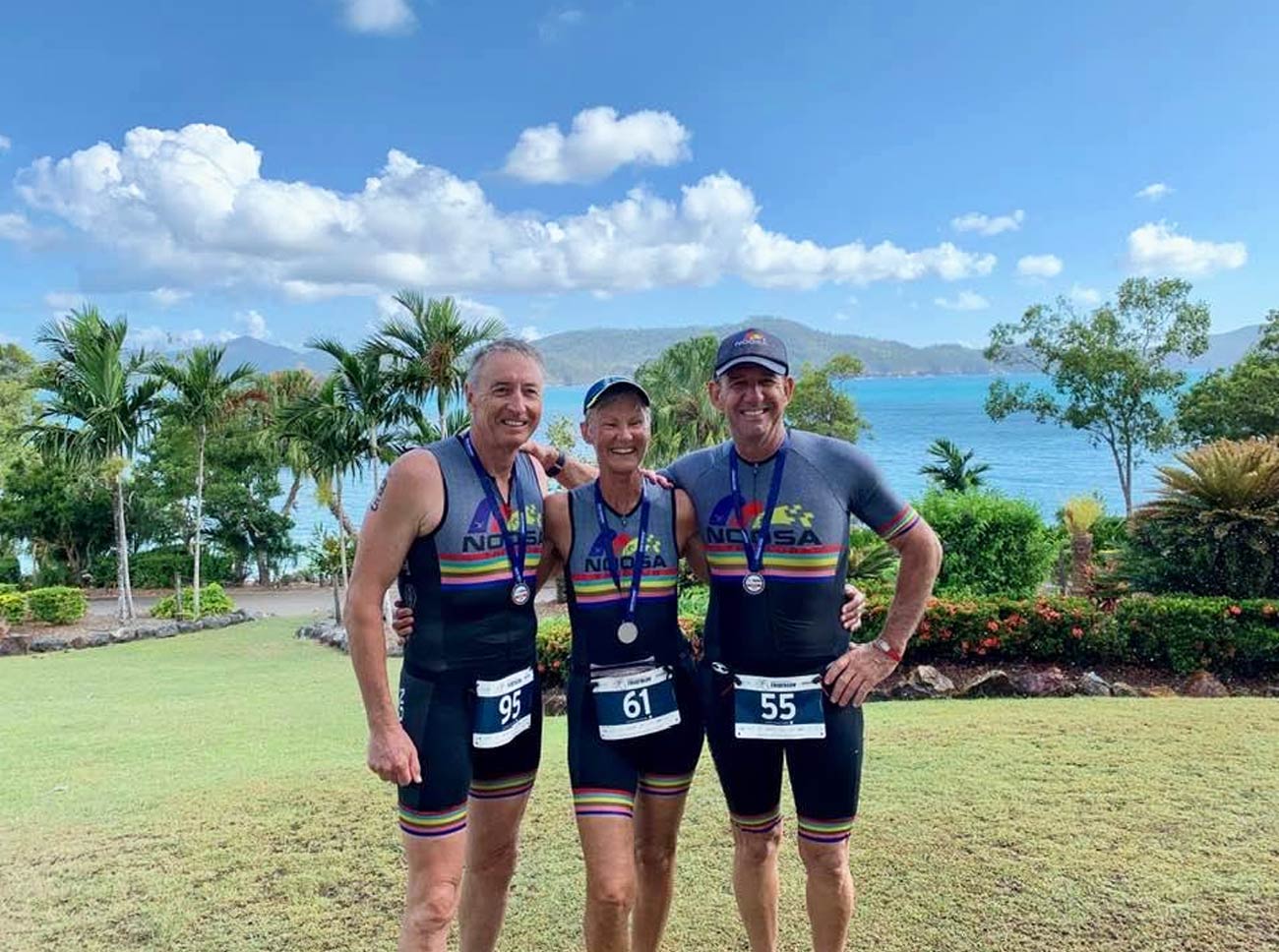 16December
Noosa Ironman Training Camp
MSC crew Racing over the weekend just gone over 5 different events - In 70.3 Western Sydney – P
-
 02December
A big weekend of racing for MSC athletes
Quite a big weekend of racing for MSC athletes just passed as we hit December In Canberra at the
-
 05December
Perfect morning for a ride
Perfect morning for a ride. Last TT for 2019 and a good showing for it. Mark Preston was fastest tod